Raised-Edge
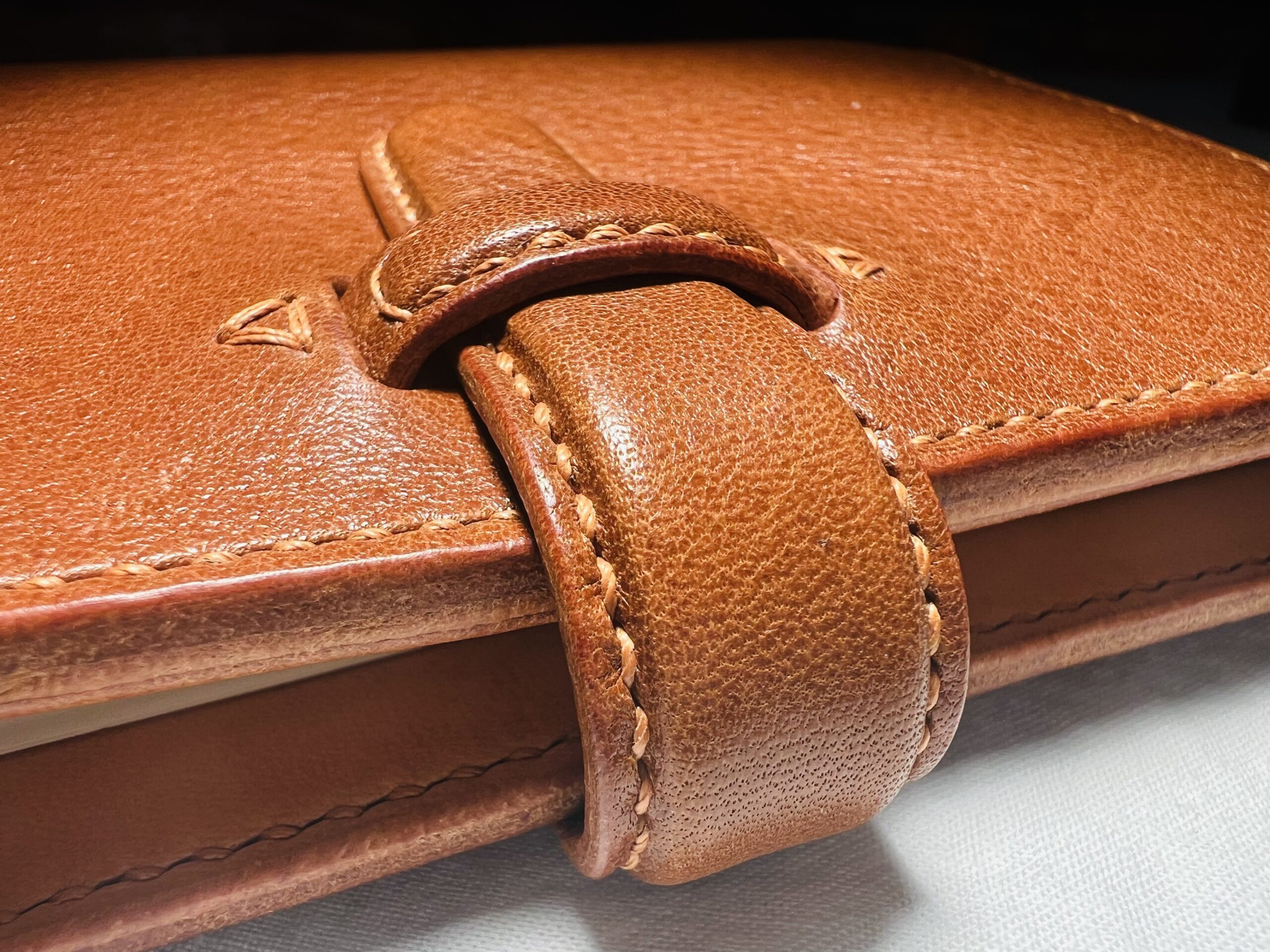
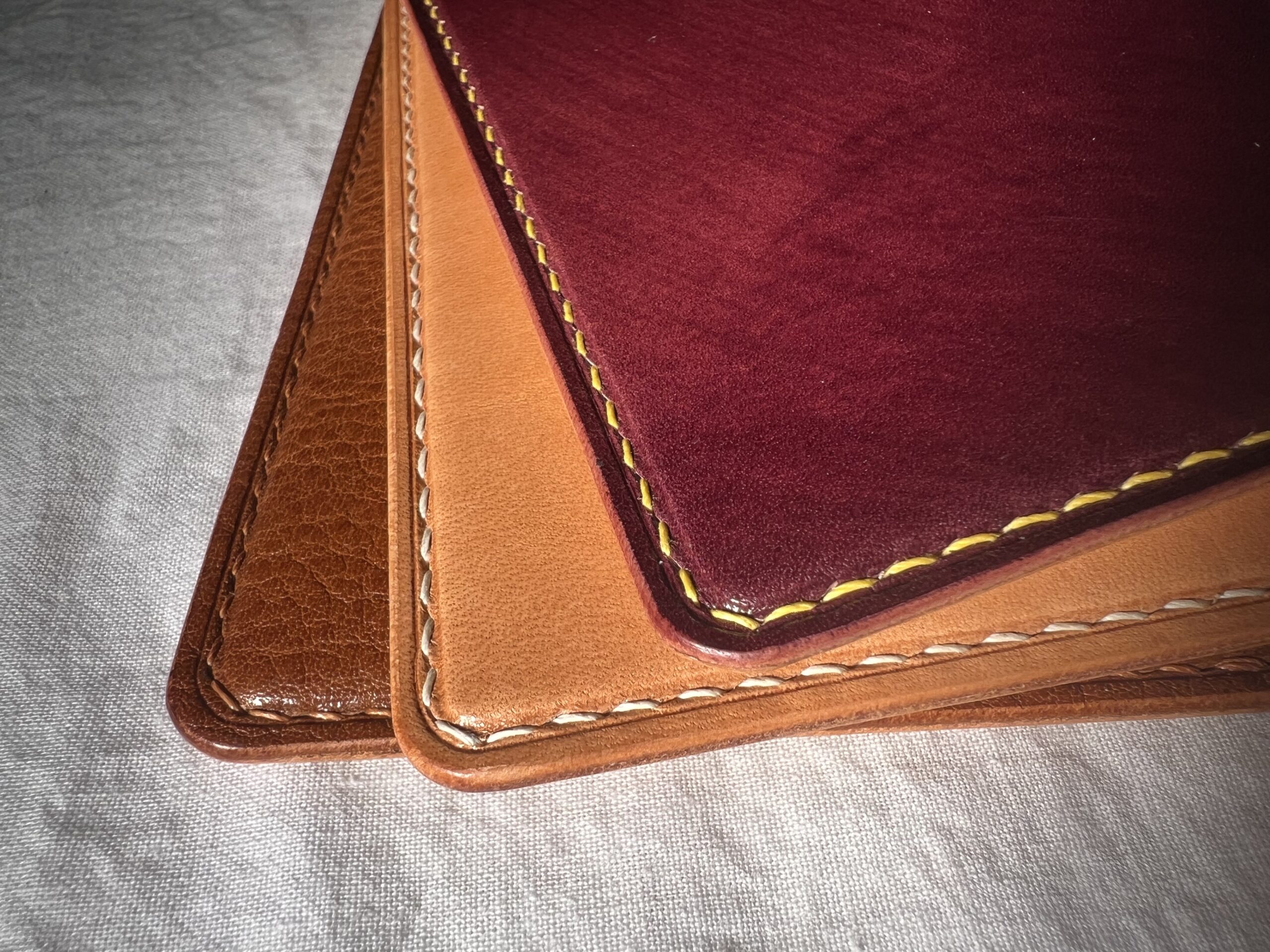
In traditional hand-stitched leathercraft, raised edges are a quiet but defining element of fine work. They are used to give a piece a sense of depth, structure, and rhythm—allowing the surface to catch light in a controlled way, and letting the edges guide the eye along the shape. Unlike machine-made embossing, true raised edges are formed slowly by hand, through controlled shaping, thinning, or layering of the leather. This creates a ridge that is not merely decorative, but an expression of craftsmanship: a small, deliberate elevation that changes the feel of the object in the hand.
Two primary methods are used to create these raised lines:
Padded-Raising
Padded-Raising is a relatively conventional and effective technique, forming the ridge by placing a core beneath the leather. The leather is shaped over this core, creating a rounded, dimensional line that feels calm and substantial in the hand. This technique is often chosen when a piece needs a soft, sculpted presence—a subtle lift that adds depth without excess decoration.

Skived-Raising
Skived-Raising is done without adding any core material. The craftsman first hand-skives a step on the flesh side of the leather, creating a controlled difference in thickness along the edge. This stepped structure allows the grain side to be shaped from the front, forming a raised line entirely from the leather’s own material.
The technique requires a high degree of control—both in the depth of the skive and in the shaping that follows. The resulting ridge is usually more subtle than padded raising, as it lacks the additional core that creates a fuller profile. However, in constructions where a core cannot be inserted or the thickness must remain minimal, skived raising becomes the most suitable—and sometimes the only—method to achieve a clean raised edge.


In hand-stitched leathercraft, carefully applied raised edges details lend a three-dimensional touch that enhances the character of the piece. This is also why I often employ this technique in my work.