Skiving
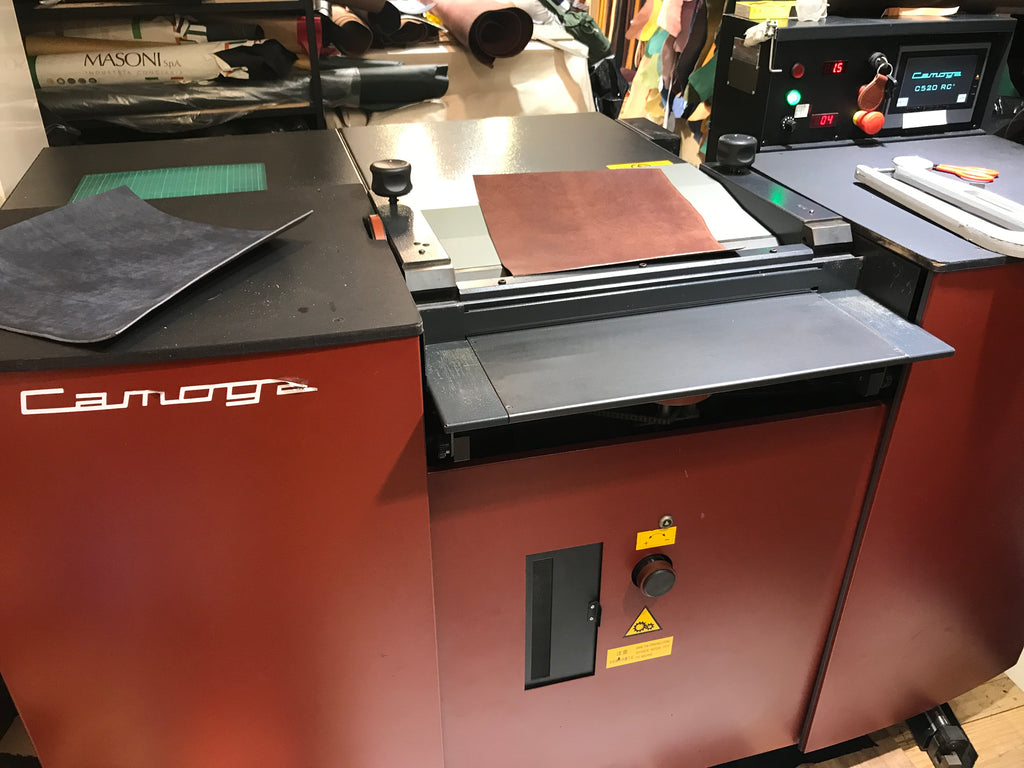
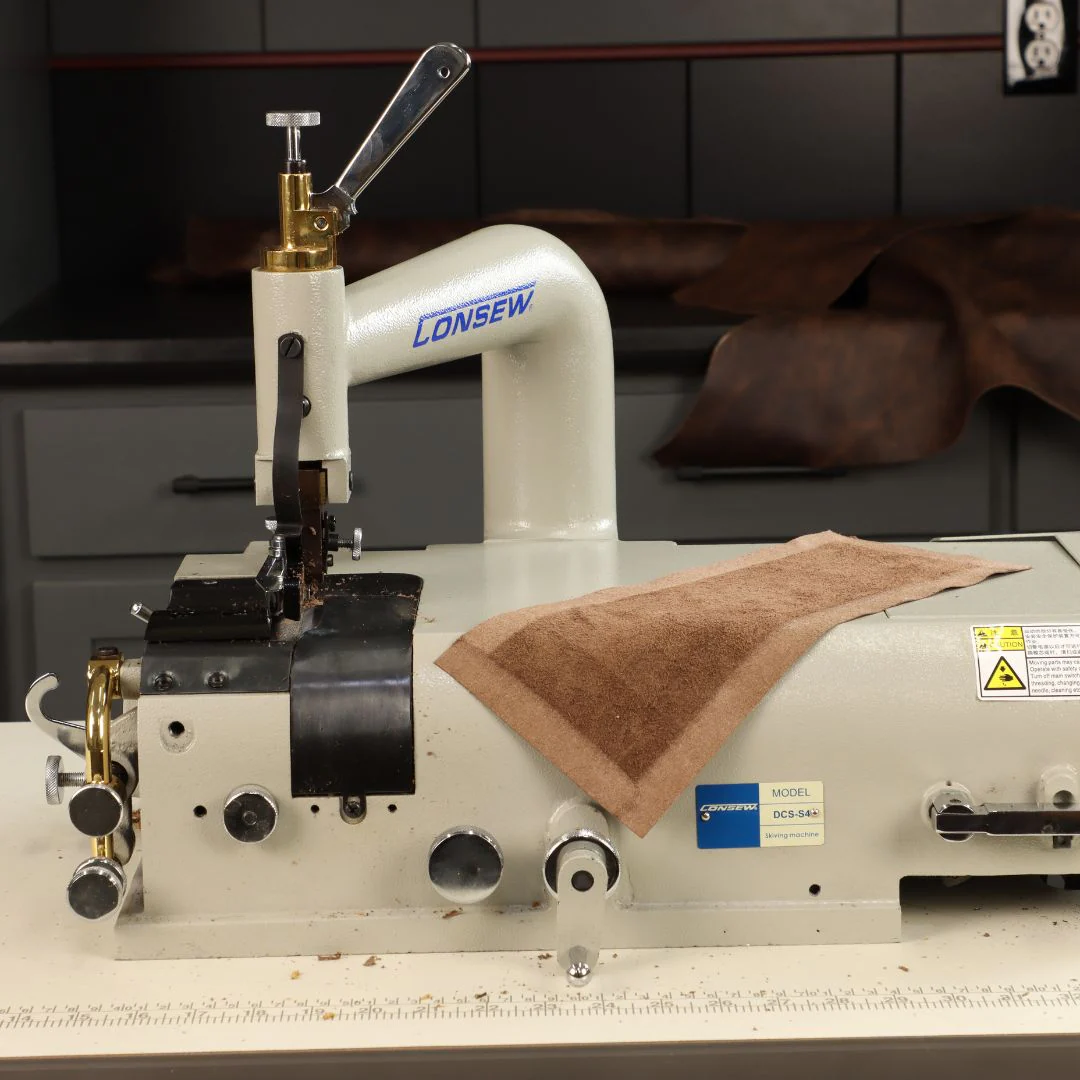
In leathercraft, even though electric skiving machines are widely available, hand skiving remains essential in many situations. In general, machine skiving falls into two different categories: overall thinning of large panels, and edge skiving for constructions such as bags that are stitched inside out and then turned.
These two processes are not the same and are typically carried out using different types of machines. However, when it comes to smaller components—such as the inner layers of card slots in wallets—the presence of tight inner corners and recessed curves makes machine skiving impractical. In such cases, hand skiving becomes necessary, offering greater control and precision for a cleaner, more refined result.
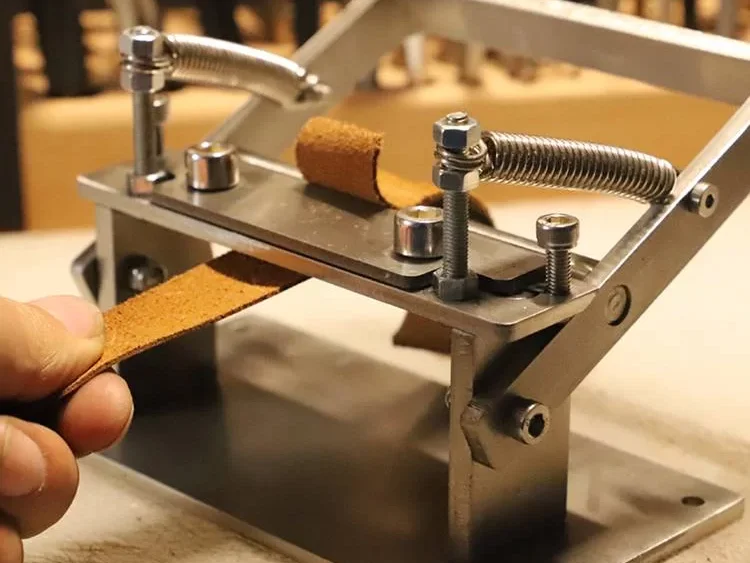
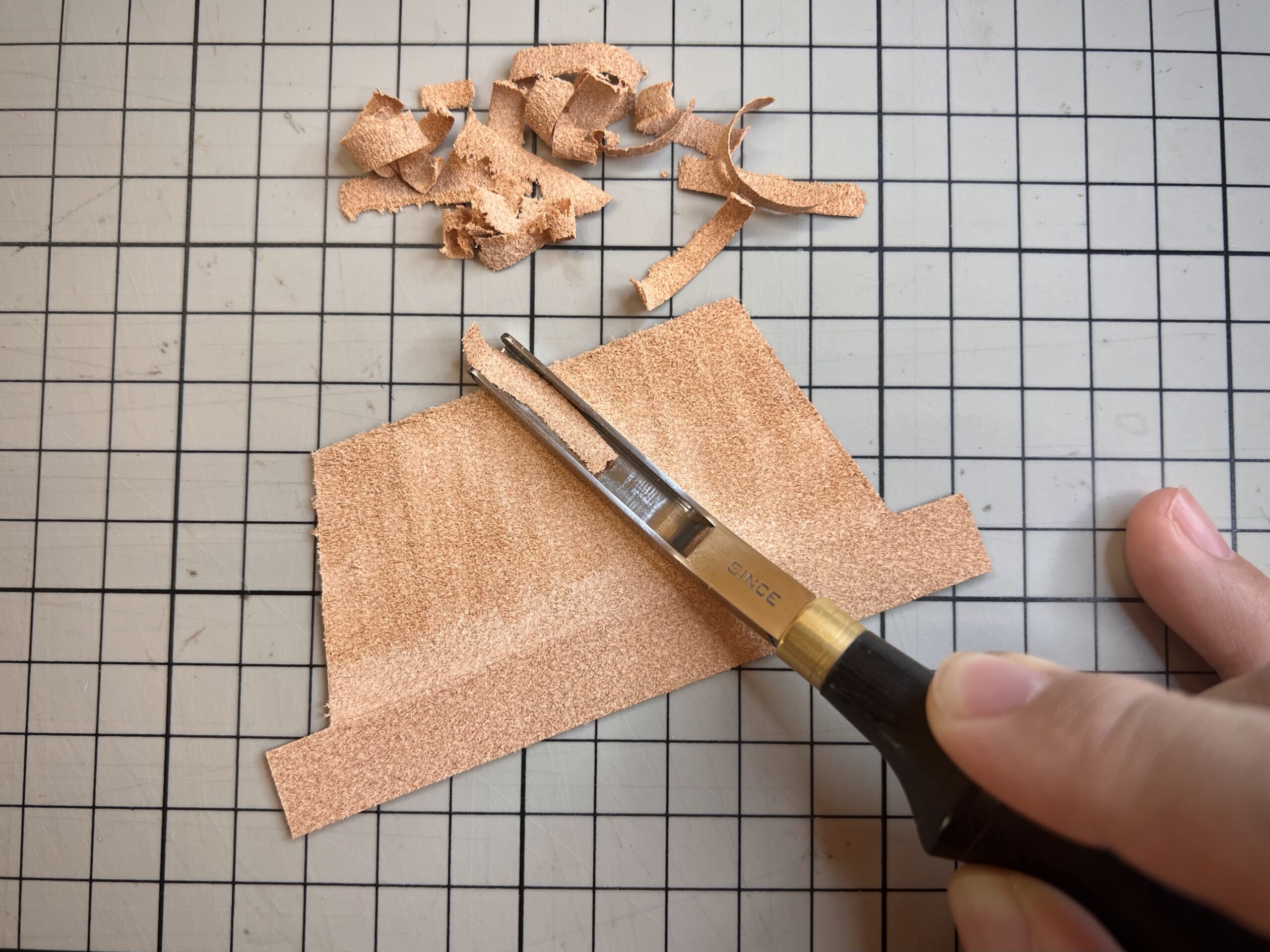
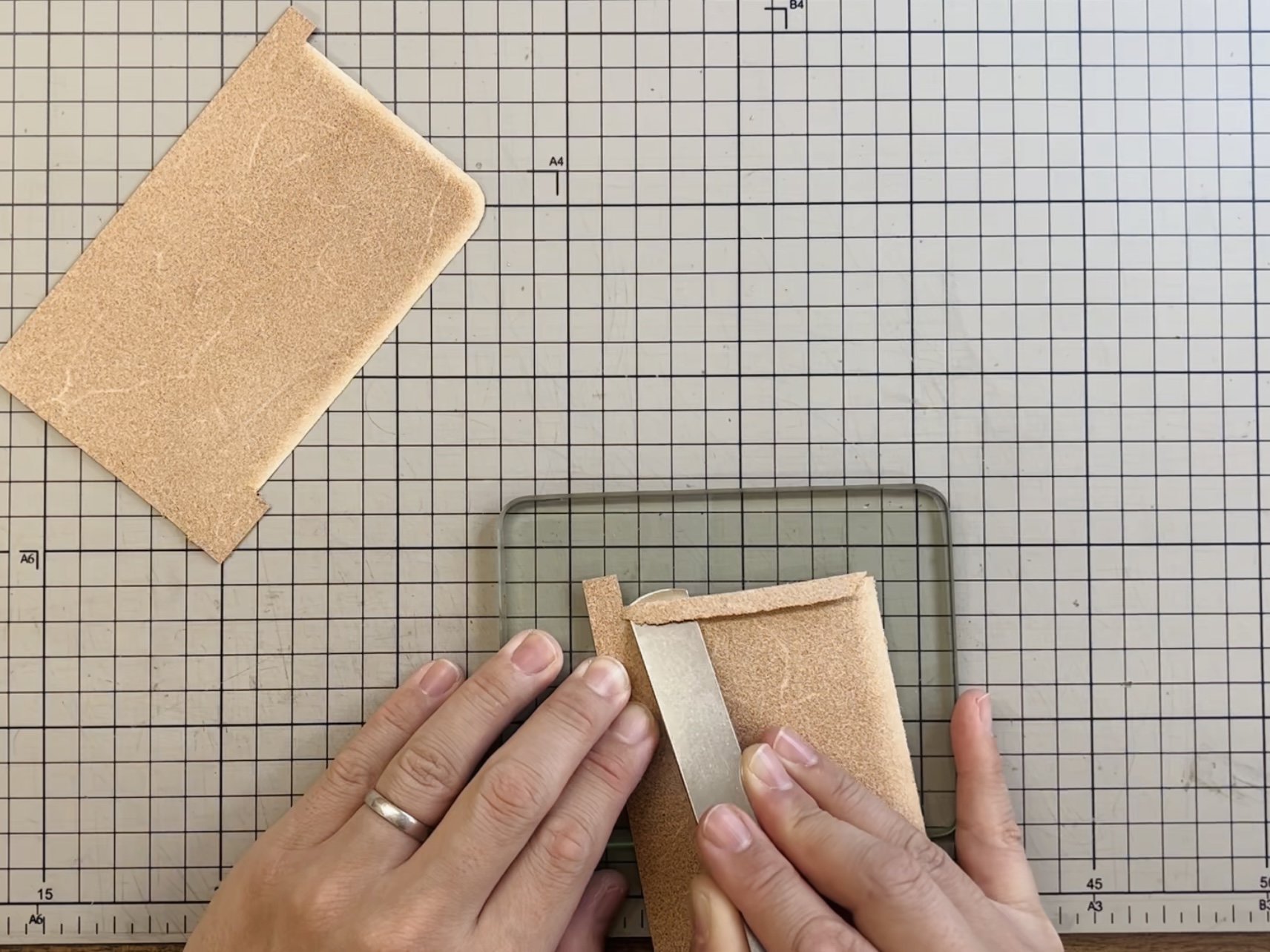
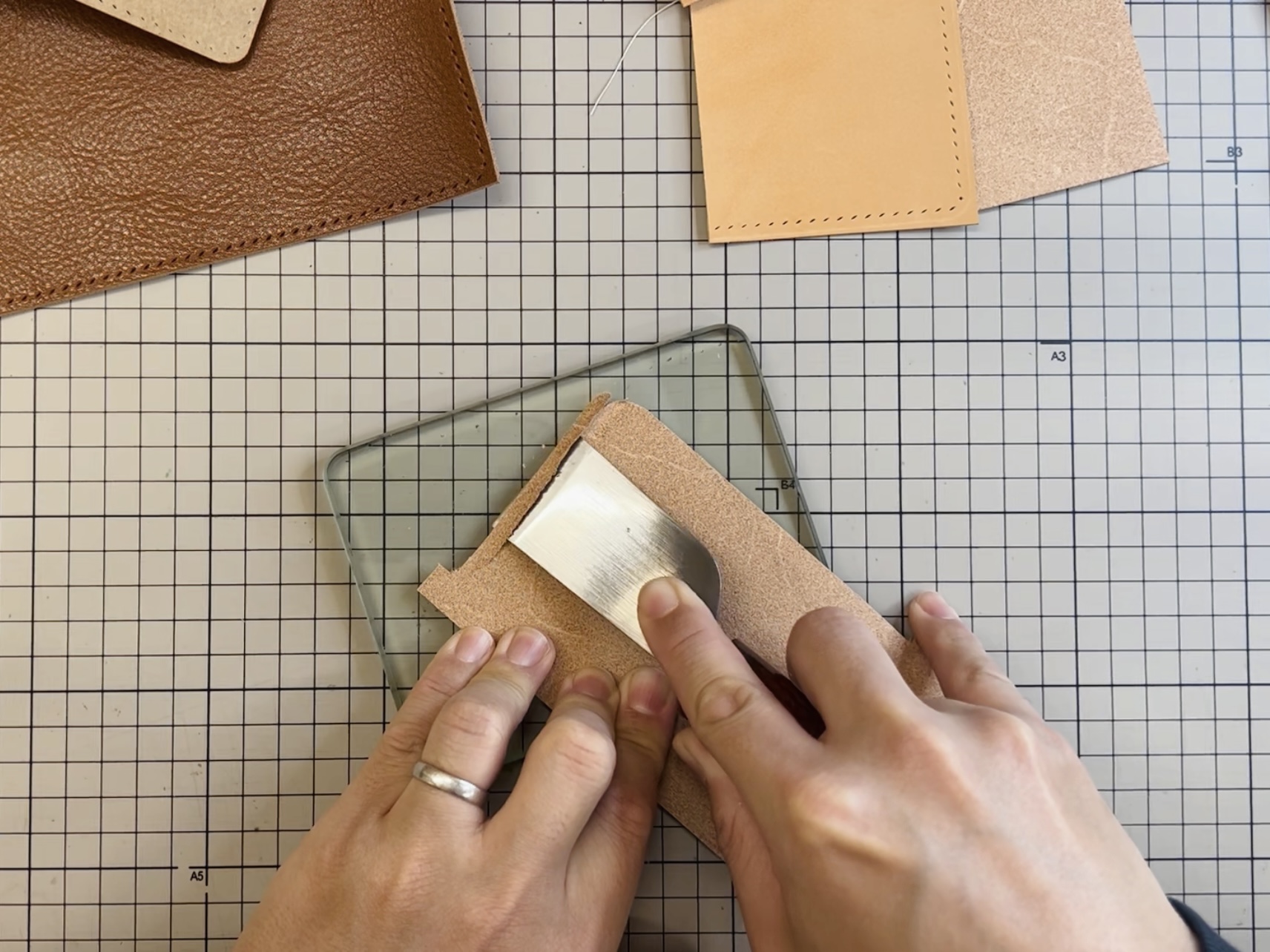
In hand skiving, as opposed to machine skiving, there are two main approaches: working with a French Edge Skiver, or using a Skiving Knife for more controlled thinning.
Don’t be misled by the name French Edge Skiver. In hand leathercraft, it is more commonly used for evenly thinning small areas rather than just edges. In contrast, the Skiving Knife is the tool that truly excels at freehand, precise tapering along edges, especially where a smooth, gradual transition is required.
Of course, skiving knives also come in different types, broadly divided into round blades and straight blades. The former offers greater maneuverability for curves and tight turns, while the latter is better suited for skiving straight edges with precision.